
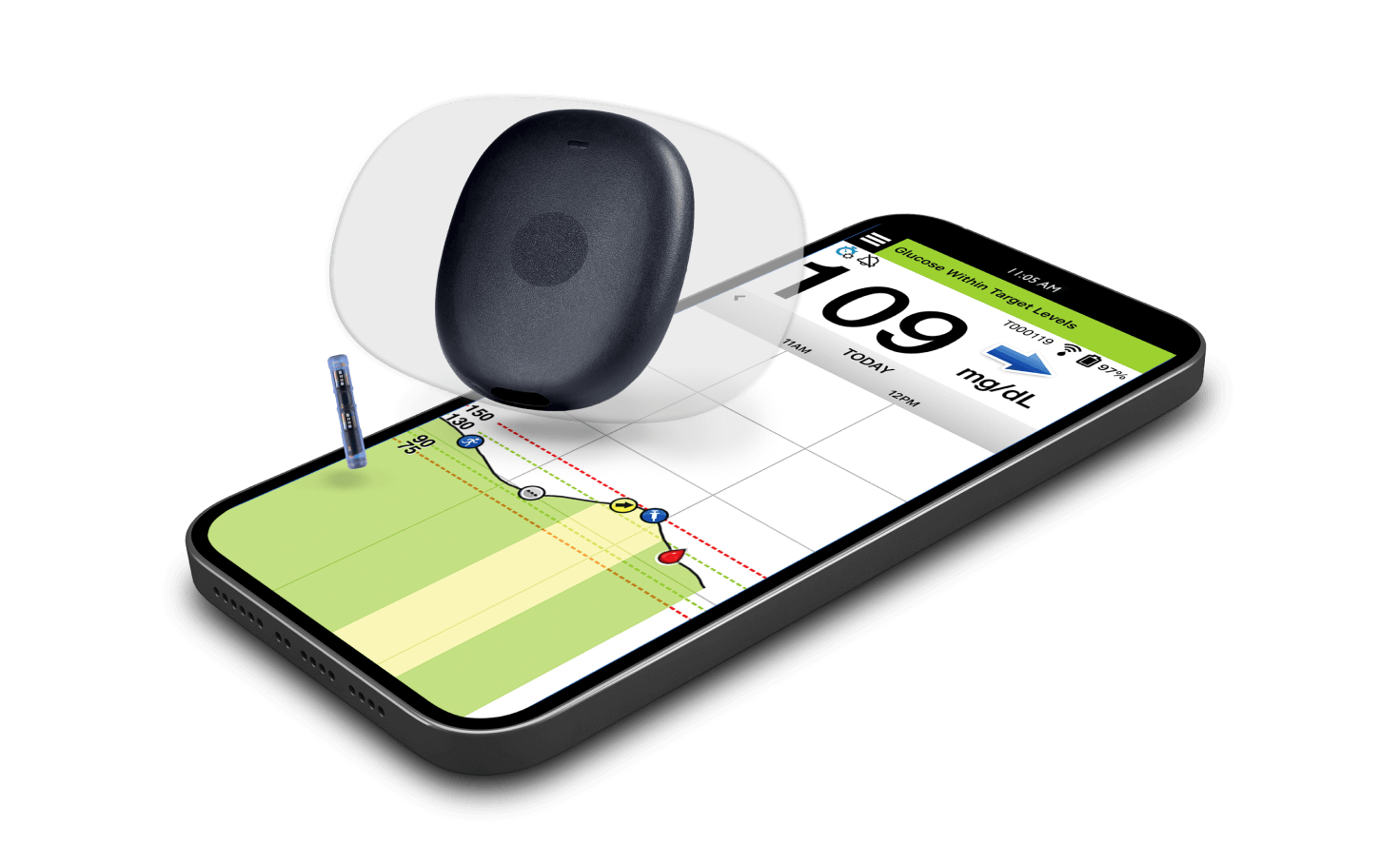
Eversense is an implantable continuous glucose monitoring (CGM) system designed for long-term diabetes management. It is currently the only CGM on the market capable of providing up to 180 days of continuous glucose data. The system utilizes a subcutaneously implanted sensor to provide real-time glucose alerts and trend analysis, allowing patients to maintain precise glycemic control while eliminating the need for routine daily fingersticks.
Sensor Placement Procedure
The Eversense sensor is placed under the skin during a minimally invasive, outpatient procedure. The process is straightforward, involves minimal downtime, and is typically completed in under 30 minutes.
Dr. Krause is specifically trained and certified in this surgical placement, bringing a high standard of clinical precision to ensure proper device functionality and patient safety.
Clinical Pathway for Eversense Placement
- Initial Consultation: A comprehensive medical evaluation with Dr. Krause to review your diabetes management history, discuss your health objectives, and determine your clinical candidacy for the Eversense system.
- Sensor Placement: An in-office surgical procedure lasting less than 30 minutes. The procedure requires only a minor incision and localized anesthesia to minimize patient discomfort.
- System Activation: Immediate initiation of continuous glucose tracking. Patients can promptly begin receiving real-time alerts and transmitting actionable data to their smart devices and healthcare team.
Clinical Expertise
As a surgeon specializing in minimally invasive procedures, Dr. Krause brings a high level of technical proficiency to the placement of Eversense sensors. His clinical focus prioritizes patient safety, proper sensor positioning for optimal data accuracy, and long-term device efficacy.
Dr. Krause’s Qualifications Include:
- Specialized clinical certification in the surgical placement and removal of Eversense sensors.
- An extensive surgical background focused on minimally invasive techniques.
- Comprehensive pre-operative assessment and post-operative medical care.
- Ongoing clinical monitoring and strategic support for long-term diabetes management.
“Dr. Krause applies a patient-specific clinical approach, ensuring that the Eversense system aligns with your medical needs and that you receive continuous, high-quality care throughout the lifespan of the device.”
Patient Education and Next Steps
Understanding your CGM options is a critical component of proactive diabetes management. To review the technical specifications of the Eversense system, understand its data-tracking capabilities, and see how it integrates into a comprehensive treatment plan, please review our detailed patient resources.
Frequently Asked Questions (FAQ)
To assist you in preparing for your consultation, we have compiled answers to the most common medical and procedural questions regarding the Eversense CGM system.
Is the sensor placement procedure painful?
The procedure is performed under local anesthesia in Dr. Krause’s office. You will feel a small pinch when the numbing medication is administered, but the sensor placement itself should not be painful. Some patients experience mild bruising or soreness at the insertion site for a few days following the procedure, which typically resolves quickly.
Will I still need to perform routine fingerstick checks?
While the Eversense system drastically reduces the need for routine fingersticks, it does not eliminate them entirely. The system requires periodic blood glucose calibration (typically once or twice daily, depending on the phase of wear) to maintain optimal accuracy. Additionally, a fingerstick is recommended if your symptoms do not match the CGM readings.
What happens after the 180 days? How is the sensor removed?
At the end of the sensor’s lifespan (up to 180 days), Dr. Krause will perform a minor, minimally invasive removal procedure in the office. During this same visit, if you choose to continue with Eversense, a new sensor can be seamlessly placed in the same location or the opposite arm to maintain uninterrupted monitoring.
Will the incision leave a noticeable scar?
The incision required for the sensor is very small, typically measuring between 5 to 8 millimeters. Dr. Krause utilizes meticulous closure techniques to ensure optimal healing. For most patients, this results in a very minimal, faint scar that fades significantly over time.
Can I undergo MRI, CT scans, or X-rays with the Eversense system?
The implanted sensor itself is safe for certain types of MRI scans (under specific conditions). However, the smart transmitter—the removable component worn on the outside of your arm—must be removed prior to undergoing MRI, CT scans, or diathermy treatments. Dr. Krause will provide comprehensive safety guidelines regarding medical imaging during your consultation.


